When you look at a Cinnamoroll acrylic painting, you are immediately struck by the clean lines, the pastel vibrancy, and the whimsical sense of perfection. This recipe aims to translate that exact aesthetic into a culinary masterpiece that tastes as bright as it looks. Much like the careful brushstrokes required for a Cinnamoroll acrylic painting, this pasta salad relies on the precision of fresh ingredients and a perfectly balanced creamy herb dressing.
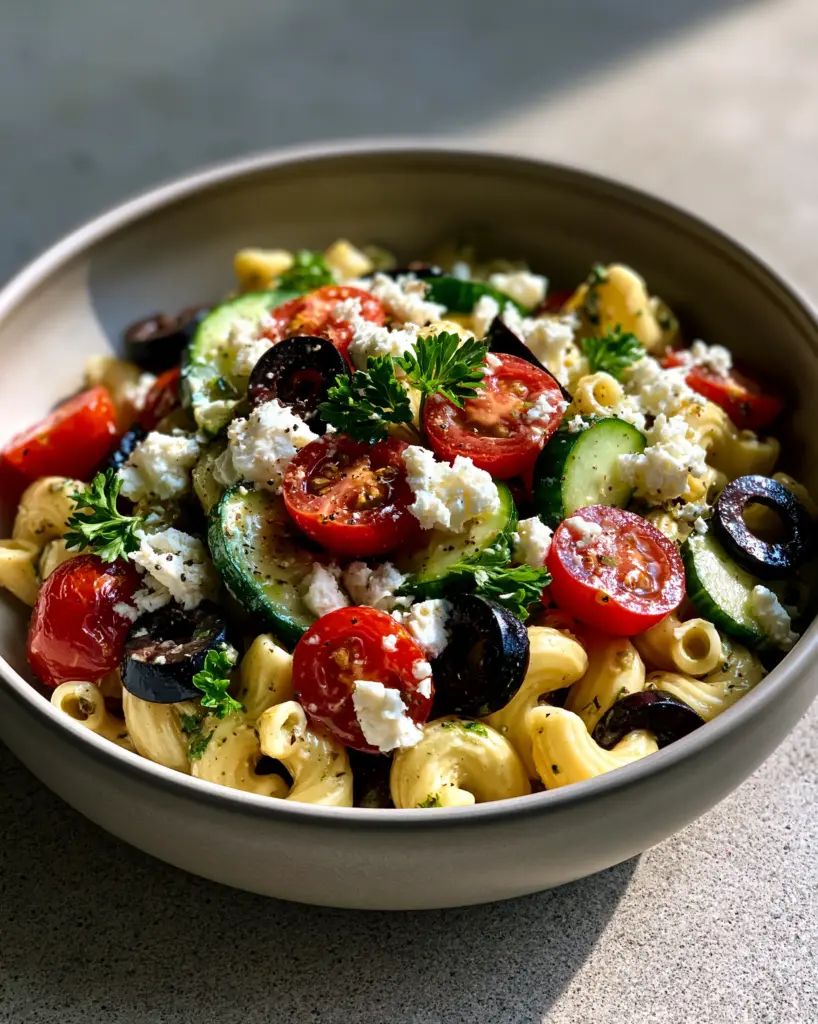
Creating a dish that mirrors the artistic quality of a Cinnamoroll acrylic painting means paying attention to color theory on your plate. We are using the deep greens of fresh parsley and crisp cucumbers to provide a backdrop for the ruby-red pop of juicy cherry tomatoes. It is a visual symphony that ensures your lunch looks like a curated piece of art on a neutral concrete surface.
Whether you are hosting a gallery opening or just looking for a refreshing midweek meal, this dish delivers. The Cinnamoroll acrylic painting aesthetic is all about joy and clarity, and every forkful of this al dente pasta provides exactly that. Let’s dive into how we can turn your kitchen counter into a studio and your mixing bowl into a canvas.
The Artistic Appeal of Our Vibrant Pasta Canvas
- Textural Contrast: We pair the firm bite of al dente pasta with the snap of fresh cucumber and the creamy crumble of high-quality feta cheese.
- Chromatic Vibrancy: The color palette is intentionally chosen to evoke the same cheerful energy found in a professional Cinnamoroll acrylic painting.
- Symphonic Flavors: A light, creamy herb dressing ties the earthy olives and bright tomatoes together in a way that feels both balanced and bold.
- Effortless Elegance: This recipe proves that simple ingredients, when handled with care, can create a sophisticated result worthy of a minimalist ceramic bowl.
The Master Palette: Essential Ingredients and Substitutions
To achieve the look of a Cinnamoroll acrylic painting, your “paints” must be of the highest quality. Start with 1 lb (450g) of dried pasta, preferably a shape with ridges like rotini or fusilli to catch the dressing. The pasta acts as the structure of our piece, providing the volume and shape necessary for a stunning presentation.
For the “light” in our Cinnamoroll acrylic painting, we use 1 cup (150g) of halved cherry tomatoes. These provide juicy bursts of acidity that cut through the richness of the dairy. If cherry tomatoes are out of season, grape tomatoes offer a similar visual “pop” and sweetness.
The “cool tones” are represented by 1 large (300g) English cucumber, sliced into thin, crisp half-moons. English cucumbers are preferred because their skin is thin and their seeds are minimal, preventing the salad from becoming watery. This maintain the structural integrity of our Cinnamoroll acrylic painting inspired dish.
We add depth and “shadow” with 1/2 cup (75g) of sliced black olives. Their salty, umami profile provides a necessary contrast to the fresh vegetables. For a more sophisticated profile, you could substitute these with Kalamata olives, though the classic black olive keeps the colors “clean” like an acrylic wash.
The “highlights” of the dish come from 1/2 cup (75g) of crumbled feta cheese. This adds a tangy, creamy texture that mimics the thick impasto technique used in a Cinnamoroll acrylic painting. Ensure you use a block of feta in brine for the best flavor and moisture content.
Finally, the “finishing glaze” is our creamy herb dressing. You will need 1/2 cup (120ml) of Greek yogurt, 1/4 cup (60ml) of olive oil, 2 tbsp (30ml) of lemon juice, and 1 tbsp (4g) of fresh parsley. This dressing provides the satin finish that makes the colors of the vegetables truly shine.
Curated Kitchen Tools for Culinary Art
To replicate the precision of a Cinnamoroll acrylic painting, you need the right tools. A large pot for boiling pasta is essential to ensure the noodles have enough room to move and cook evenly to a perfect al dente state. Crowding the pot is the enemy of texture.
A sharp chef’s knife is your primary brush for this recipe. Precise cuts on the cucumbers and olives ensure that every element is uniform, contributing to the professional look of the final “painting.” Dull knives will bruise the parsley rather than cleanly chopping it.
You will also need a sleek, minimalist matte ceramic bowl for serving. The texture of the bowl provides a neutral, modern background that allows the vibrant colors of the salad to take center stage. This mirrors the soft natural side lighting often seen in high-end food photography.
Step-by-Step Instructions: Painting with Pasta
1. Preparing the Pasta Canvas
Bring 4 quarts (3.8L) of water to a rolling boil and add 2 tbsp (35g) of kosher salt. The water should taste like the sea to properly season the pasta from the inside out. This foundational step is crucial for a Cinnamoroll acrylic painting that tastes as good as it looks.
Add the pasta and cook for exactly 8-10 minutes, or until it reaches “al dente.” This means the pasta should still have a slight resistance when bitten. Once finished, drain and immediately toss with 1 tbsp (15ml) of olive oil to prevent sticking while it cools.
2. Mixing the Herbaceous Glaze
In a small mixing bowl, whisk together the Greek yogurt, lemon juice, and olive oil until an emulsion forms. The dressing should be light and pourable, not heavy or gloppy. This creates the “translucent layer” effect common in a Cinnamoroll acrylic painting.
Whisk in the finely chopped parsley, 1/2 tsp (3g) of garlic powder, and a pinch of salt. The herbs should be evenly distributed throughout the cream, creating a speckled, artisanal appearance. This dressing will act as the binder for our entire composition.
3. Assembling the Vibrant Composition
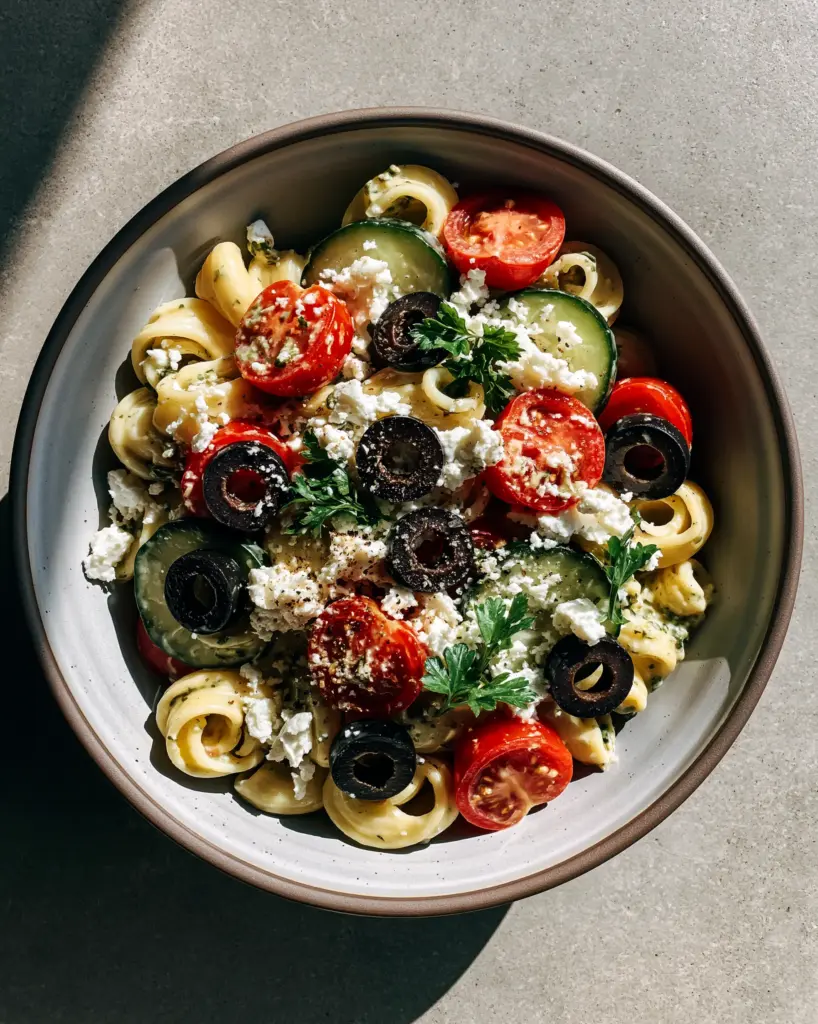
In your large ceramic bowl, combine the cooled pasta with the sliced cucumbers, halved cherry tomatoes, and black olives. Pour the creamy herb dressing over the top and use large wooden spoons to toss everything gently. You want to coat every surface without smashing the delicate vegetables.
Sprinkle the crumbled feta and the remaining fresh parsley over the top as a final flourish. Much like the last strokes on a Cinnamoroll acrylic painting, these final touches provide the contrast and detail that draw the eye. Serve immediately or chill for 30 minutes to let the flavors meld.
Expert Tips for a Professional Finish
- Control the Moisture: Always pat your cucumber slices dry with a paper towel before adding them to the bowl. This prevents the dressing from sliding off the vegetables.
- The Cooling Phase: Never add the creamy dressing to hot pasta. The heat will cause the yogurt to break and the oil to separate, ruining the Cinnamoroll acrylic painting aesthetic.
- Salt Timing: Only salt the vegetables right before serving. Salt draws out moisture, which can make your “canvas” soggy if it sits for too long.
- Herb Freshness: Use flat-leaf Italian parsley for a cleaner look and more robust flavor than the curly variety. It mimics the fine detail work of a Cinnamoroll acrylic painting more effectively.
Shelf Life and Storage Solutions
This pasta salad is best enjoyed the day it is “painted,” but it can be stored in an airtight container for up to 3 days in the refrigerator. Note that the pasta will continue to absorb the dressing over time. If the salad looks a bit dry the next day, simply stir in a teaspoon of water or lemon juice to revive the shine.
We do not recommend freezing this dish. The cellular structure of the cucumbers and tomatoes will collapse upon thawing, turning your beautiful Cinnamoroll acrylic painting into a watery mess. This dish is meant to be a celebration of fresh, crisp textures.
What to Serve with Your Culinary Masterpiece
This vibrant salad is a star on its own, but it pairs beautifully with other summer-inspired treats. If you are hosting a larger gathering, consider adding this to your list of 4th of July party ideas for a fresh alternative to heavy sides.
For a refreshing drink pairing, try serving this alongside a holiday margarita or a glass of citrus-forward summer drinks. The acidity in the drinks will complement the creamy feta and lemon dressing perfectly.
If you want to round out the meal with something sweet, a slice of strawberry rhubarb pie offers a wonderful tart-sweet contrast to the savory Mediterranean flavors. It keeps the “garden-to-table” theme alive and well.
Frequently Asked Questions
Yes, you can prepare the components ahead of time. However, for the best visual appeal and texture, toss the vegetables and dressing with the pasta no more than 4 hours before serving.
While the creamy herb dressing provides the specific aesthetic of a Cinnamoroll acrylic painting, a simple balsamic vinaigrette or lemon-tahini dressing can also work well if you prefer a different flavor profile.
To achieve that perfect al dente bite, cook the pasta for 1-2 minutes less than the package directions. Immediately drain and rinse with cold water or toss with a little olive oil to stop the cooking process.
This recipe can easily be made gluten-free by substituting the traditional wheat pasta with your favorite gluten-free alternative, such as chickpea or brown rice pasta.
Use English or Persian cucumbers as they have less water content. Additionally, patting the slices dry with a paper towel before adding them to the salad keeps the dressing creamy rather than watery.
The Ultimate Vibrant Pasta Salad Recipe
[Image-PinImage]
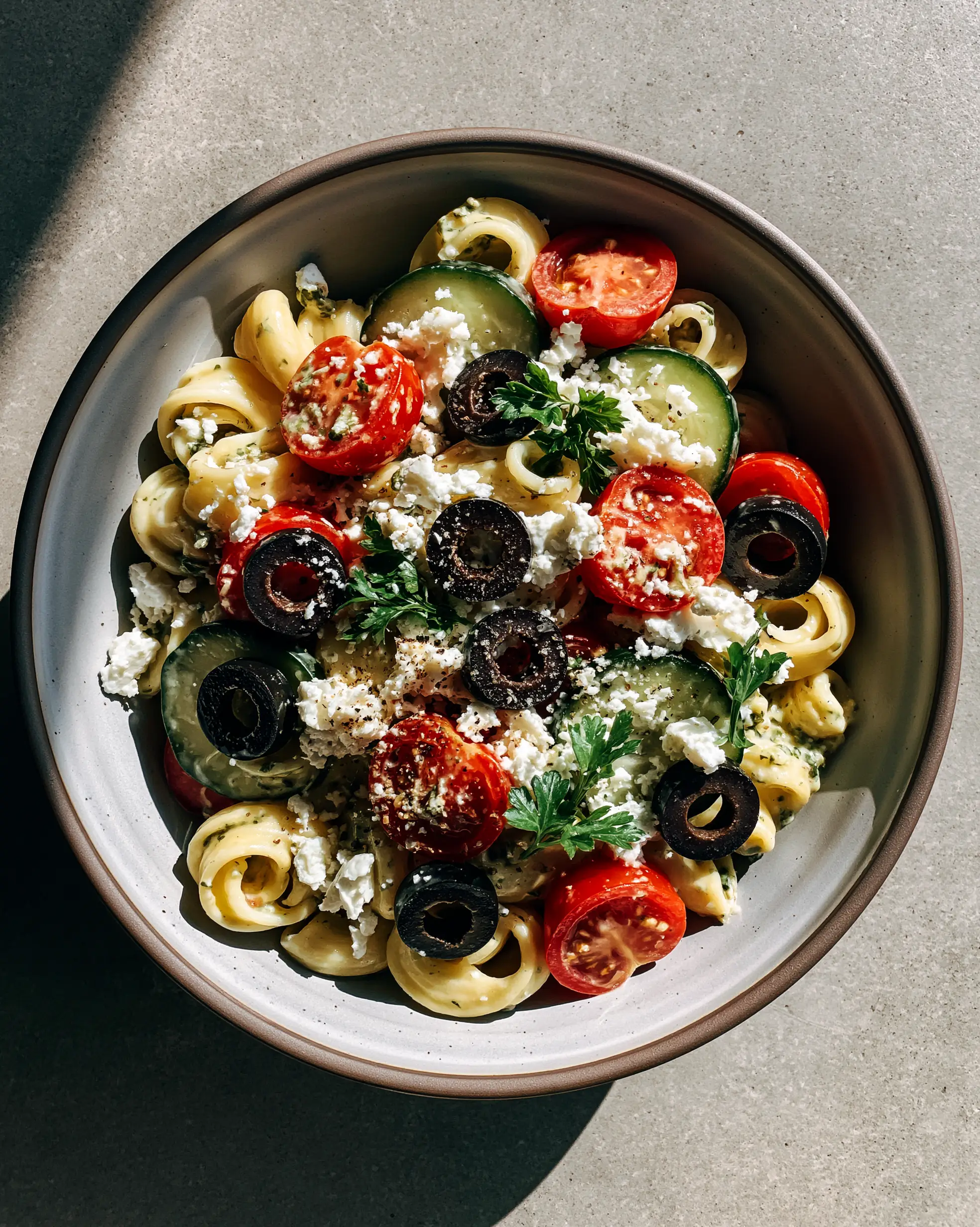
Cinnamoroll acrylic painting Inspired Vibrant Mediterranean Pasta Salad
Ingredients
Equipment
Method
- Bring a large pot of salted water to a boil. Cook pasta for 8-10 minutes until al dente. Drain and toss with a little oil to prevent sticking.
- In a small bowl, whisk yogurt, olive oil, lemon juice, and parsley until smooth and creamy.
- In a large ceramic bowl, toss the cooled pasta with tomatoes, cucumbers, and olives.
- Pour the dressing over the salad, toss gently, and top with crumbled feta and extra parsley.
Notes
Use English cucumbers for a crunchier texture without the excess water.
[Image-PinImage-2]
Closing & Call to Action
This pasta salad is more than just a meal; it is a testament to how visual inspiration from a Cinnamoroll acrylic painting can transform our approach to cooking. By focusing on color, texture, and high-quality ingredients, you’ve created a dish that is both nourishing and beautiful. We hope this recipe brings a little bit of artistic joy to your dinner table.
If you enjoyed this culinary “painting,” please leave a comment below and let us know how it turned out! Don’t forget to share your photos with us and follow alicecooks_official on Pinterest for more visually stunning recipe inspiration. Happy cooking!
[Image-PinImage-3]